Always evolving: some languages of the world and where they come from
This month’s collaborative post was inspired by a conversation between some of our contributors about languages and how much they ‘borrow’ words from one another. Malay has words from English, Turkish has words from French, English has words from Hindi, Spanish has words from Arabic. Not to mention the massive way in which European languages have influenced each other.
So here’s a look at the history and foreign influences of some of the languages spoken by PocketCultures contributors around the world.
It’s a long article, so if you’re interested in a particular country use these links: India, UK, France, Canada, Turkey, Spain, Argentina, Costa Rica, Portugal, Malaysia.
India: Hindi, English, Tamil, Marathi and many more!
Languages in India are as varied and complex as the country itself. The 2001 census estimated that there were 29 languages spoken by more than a million native speakers, 122 by more than 10,000!
We have 22 ‘official’ regional languages spoken across the country, but no ‘national language’. Hindi is often mistakenly referred to as the ‘national language’, but the constitution lists it as our ‘principal official language’. Where does Hindi come from? Well, it’s a language which evolved from a dialect spoken in northern India during the Mughal period, was influenced by Persian, and is closest to Urdu – the language today identified with Islam!


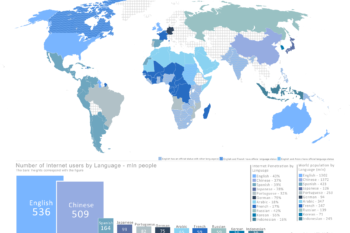
What are the most widely spoken languages in the world? Or, if you are contemplating learning a second language, which will get you the most new conversation opportunities for your effort?
I suspect this list may under-estimate the power of English by not counting those who speak English very competently and use it on a regular basis, but have learnt it as their third or even fourth language. That may sound improbable if you are a native English speaker, but for some it is a necessity. As one example,

Recent Comments